

Cloves, known for their aromatic and warm flavor, are not only a popular spice in Indian cuisine but also offer numerous health benefits. They are the unopened flower buds of the clove tree (Syzygium aromaticum) and are packed with antioxidants, vitamins, and minerals.
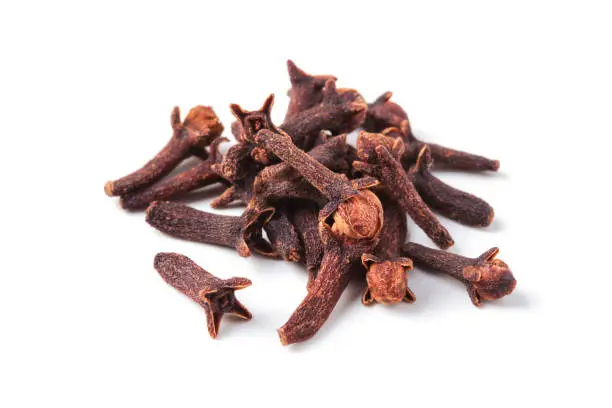
Health Benefits of Eating Cloves:
Antioxidant Properties: Cloves are rich in antioxidants, including eugenol, which helps reduce oxidative stress and may contribute to overall health by protecting against chronic diseases.
Potential Cancer-Fighting Properties: Test-tube studies suggest that the compounds found in cloves, such as eugenol, may inhibit the growth of cancer cells and promote cell death in various types of cancer.
Antimicrobial Effects: Cloves possess antimicrobial properties, making them effective against bacteria and fungi. They have been found to kill foodborne pathogens and may help combat infections .
Diabetes Management: Some studies indicate that clove intake, combined with ginger, may help lower blood sugar levels in type 2 diabetes.
Immune System Boost: Cloves can enhance the immune system by increasing white blood cell count, helping the body combat foreign agents and infections.
Liver Health: Cloves contain antioxidants that can protect the liver from free radical damage and contribute to liver health.
Bone Strength: Cloves' phenolic compounds, such as eugenol and flavonoids, have been associated with increased bone density and improved mineral content in bones.
Oral Health: Clove essential oil is used as an antiseptic and pain reliever for oral and dental issues, including gum diseases like gingivitis and periodontitis.
Nutritional Facts of Cloves (per 100 grams):
- Carbohydrate: 61.21 grams
- Protein: 5.98 grams
- Fat: 20.07 grams
- Energy: 323 kcal
- Fiber: 34.2 grams
- Calcium: 646 mg
- Iron: 8.68 mg
- Potassium: 1102 mg
- Magnesium: 264 mg
- Sodium: 243 mg
- Copper: 0.347 mg
- Zinc: 1.09 mg
- Selenium: 5.9 mcg
- Manganese: 30.033 mg
- Vitamin C: 80.8 mg
- Riboflavin: 0.267 mg
- Thiamine: 0.115 mg
- Vitamin B6: 0.590 mg
- Niacin: 1.458 mg
- Vitamin A: 530 IU
- Vitamin E: 8.52 mg
- Vitamin K: 141.8 mcg
- Fatty acids, total saturated: 5.438 g
- Fatty acids, total monounsaturated: 1.471 g
- Fatty acids, total polyunsaturated: 7.088 g [3]
Demerits of Eating Cloves:
Potential Liver Damage: Eugenol, present in cloves, can be toxic in high amounts and may cause liver damage, especially in children. Therefore, excessive use of clove oil should be avoided.
Eugenol Overdose: Overdosing on clove oil can have adverse effects on health, and more research is needed to understand its effects on humans .
Possible Allergic Reactions: Some individuals may be allergic to cloves, leading to allergic reactions such as skin rashes or itching. If you experience any adverse reactions after consuming cloves, discontinue use and seek medical attention.
In conclusion,
cloves offer a range of health benefits,
including antioxidant properties, potential cancer-fighting effects,
antimicrobial properties, and immune system support. However, caution should be
exercised to avoid excessive consumption, particularly with clove oil, as it
may lead to adverse effects. Always consult a healthcare professional before
incorporating cloves into your diet, especially if you have any underlying health
conditions or allergies.


.png)
0 Comments